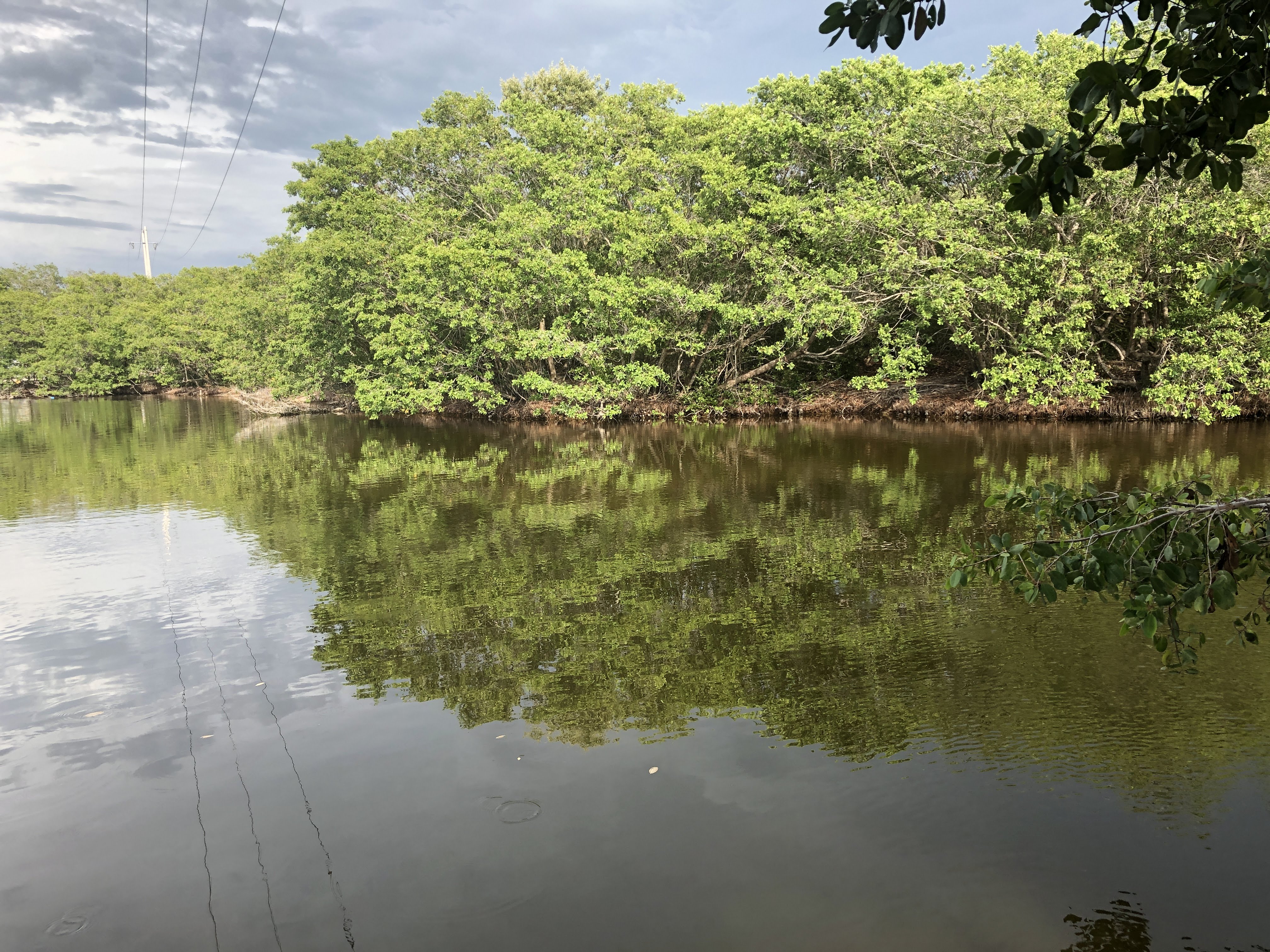
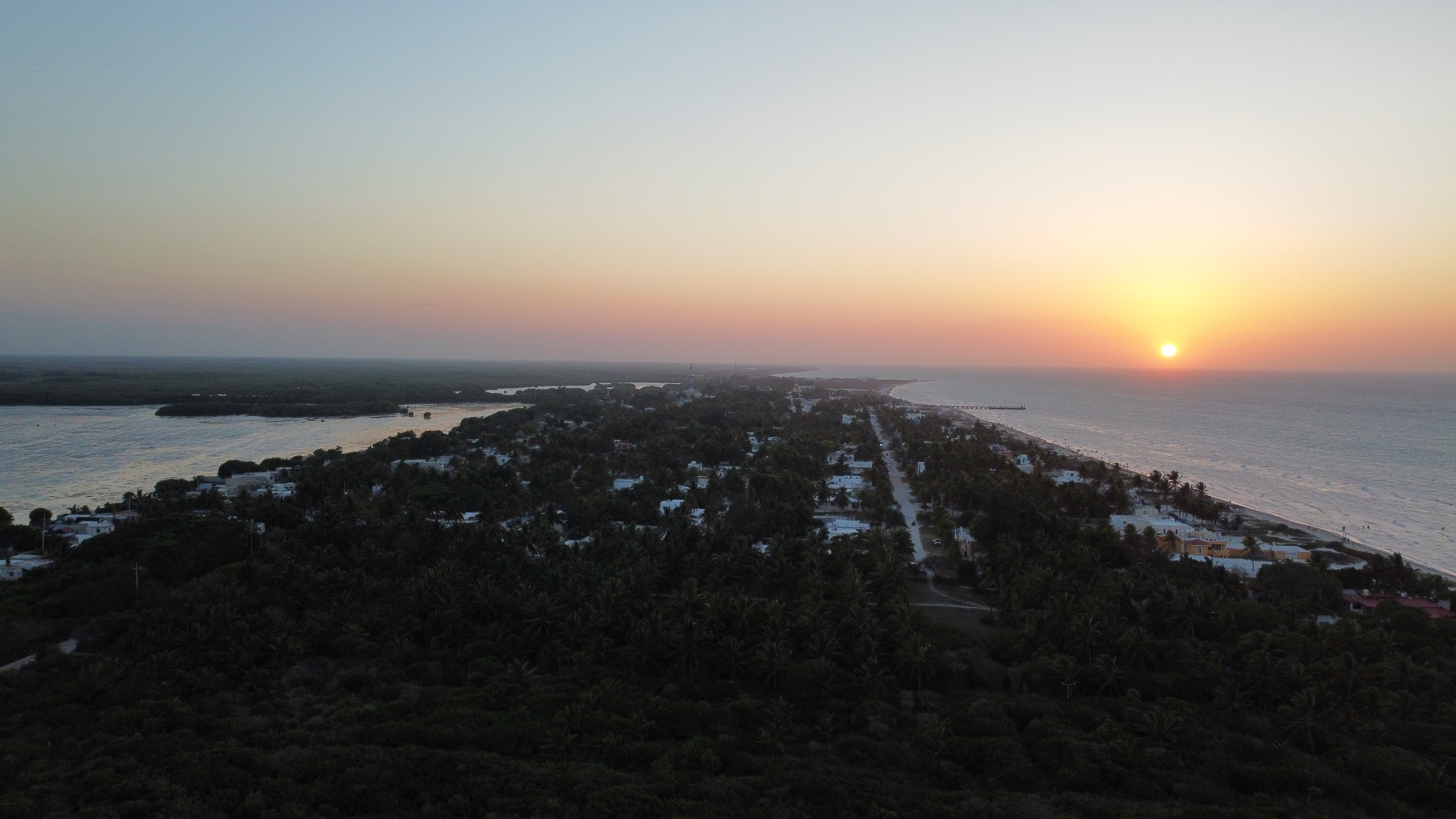
The Yucatan peninsula has a rich ecosystem. Near the coast, low forest gives way to wetlands, mangroves and flooded areas. This transition creates habitat for many forms of wildlife.
A mosaic of habitats
Sisal's natural richness is easier to understand as a mosaic: beach, dune, coastal vegetation, wetlands, mangrove and flooded areas appear within a short distance. Each environment offers food, shelter or resting places for different species.
Mangroves are especially important because they work as natural nurseries, filter sediments, help stabilize the coast and reduce wave energy during windy events.
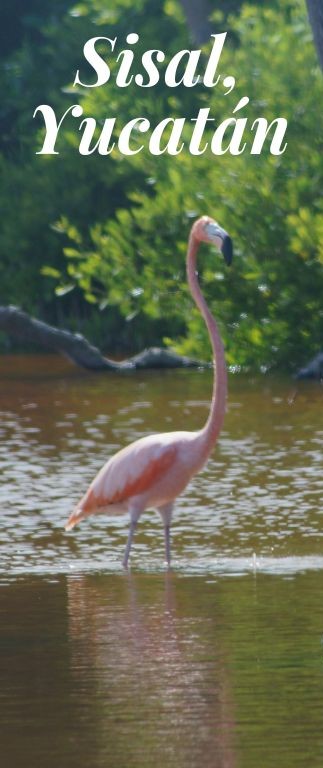
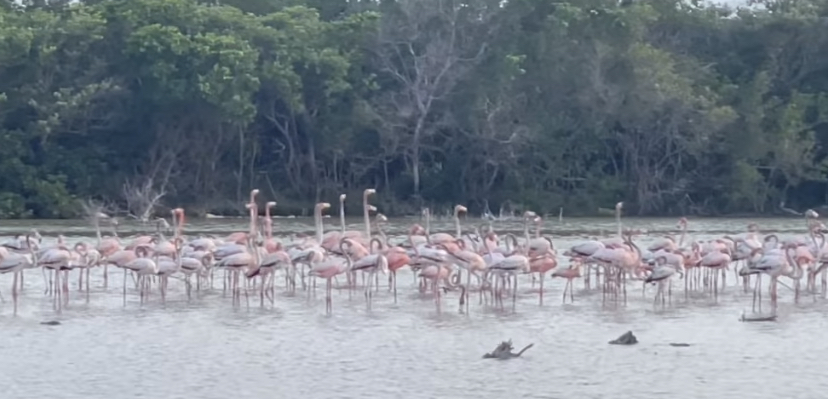
Several bird species can be found in the area. They are best observed away from urban noise. Flamingos are among the most admired birds and are often seen from spring into summer, either standing in the wetlands or flying near the coast.
Resident and migratory birds
Coastal wetlands are used by resident and migratory birds. Some remain throughout the year, while others arrive seasonally for feeding, resting or reproduction. That is why bird observation can change from one month to another.
Responsible observation
A simple rule for wildlife observation is to keep distance. If a bird changes direction, flies away or stops feeding because of our presence, we are too close. Avoid loud noises, do not feed wild animals and respect local guides and marked paths.