Overview
This section is meant as an introductory overview, not as a definitive history. Detailed information about Sisal is not always easy to find: many references are scattered across books on Yucatan, studies of maritime trade, travelers' accounts and documents on colonial administration.
Among the most interesting episodes are the arrival of Empress Carlota to Yucatan through this coast and the attacks by pirates or corsairs. Some traces of that defensive history remain, including cannons and the small fort associated with the current lighthouse area.
The coast was part of Maya fishing, salt and regional trade routes connected with inland settlements.
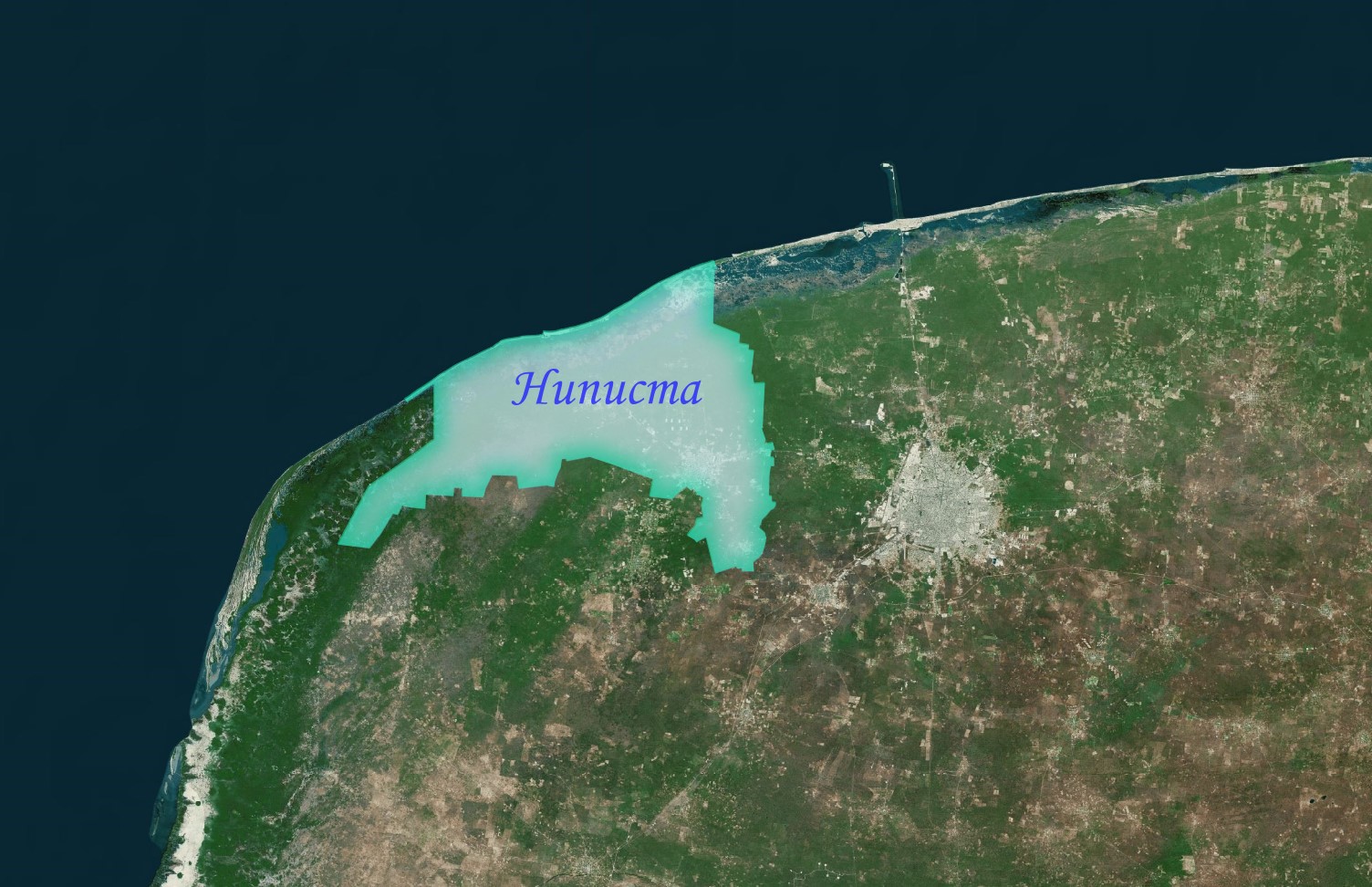
Sisal was declared a minor port as Yucatan looked for a maritime outlet closer to Merida than Campeche.
The port became linked to henequen exports; this helped associate the word “sisal” with the fiber abroad.
Empress Carlota landed at Sisal during her visit to Yucatan, one of the port's most remembered episodes.
Sisal as a port
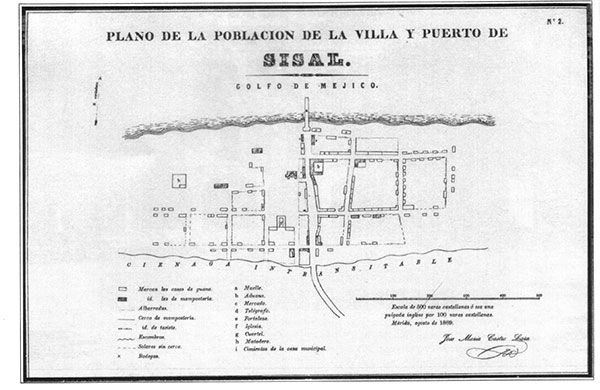
Available literature places Sisal's authorization as a minor port in the first half of the nineteenth century, during a period of instability in the region. At that time, Campeche was the main port for exports and imports, but it was not always convenient for merchants in Merida and nearby areas.
On May 1, 1804, the Spanish crown granted permission for Sisal to be temporarily enabled as a port, according to a document from Cadiz dated 1810. The simultaneous operation of Campeche and Sisal has been described as a maritime duopoly.
Some Campeche merchants considered Sisal unsuitable because it lacked an adequate pier and enough warehouses to protect goods. Even so, Sisal remained part of the maritime story of the Yucatan peninsula.
Over time, Sisal's commercial movement was linked to regional products such as cotton, dyewood, tobacco, cochineal and, later, henequen. The Yucatecan fiber exported through this port helped make the name “sisal” internationally associated with hard fiber used for rope, sacks and cordage.
One useful travel reference appears in John L. Stephens's Incidents of Travel in Yucatan. In the opening chapter, while describing his arrival by sea, Stephens says they anchored off Sisal on October 27 and noted that five vessels were present, “an extraordinary circumstance for Sisal.” He also describes the anchorage as open coast, kept at some distance from land because a norte could drive a vessel toward shore. The passage helps picture a modest port, still strongly shaped by weather and limited infrastructure.
Pirates in Sisal
Piracy was common in the colonial period. Corsairs and pirates operated along many parts of the Gulf and Caribbean coasts, including Yucatan. These attacks affected ports, beaches and merchant vessels.
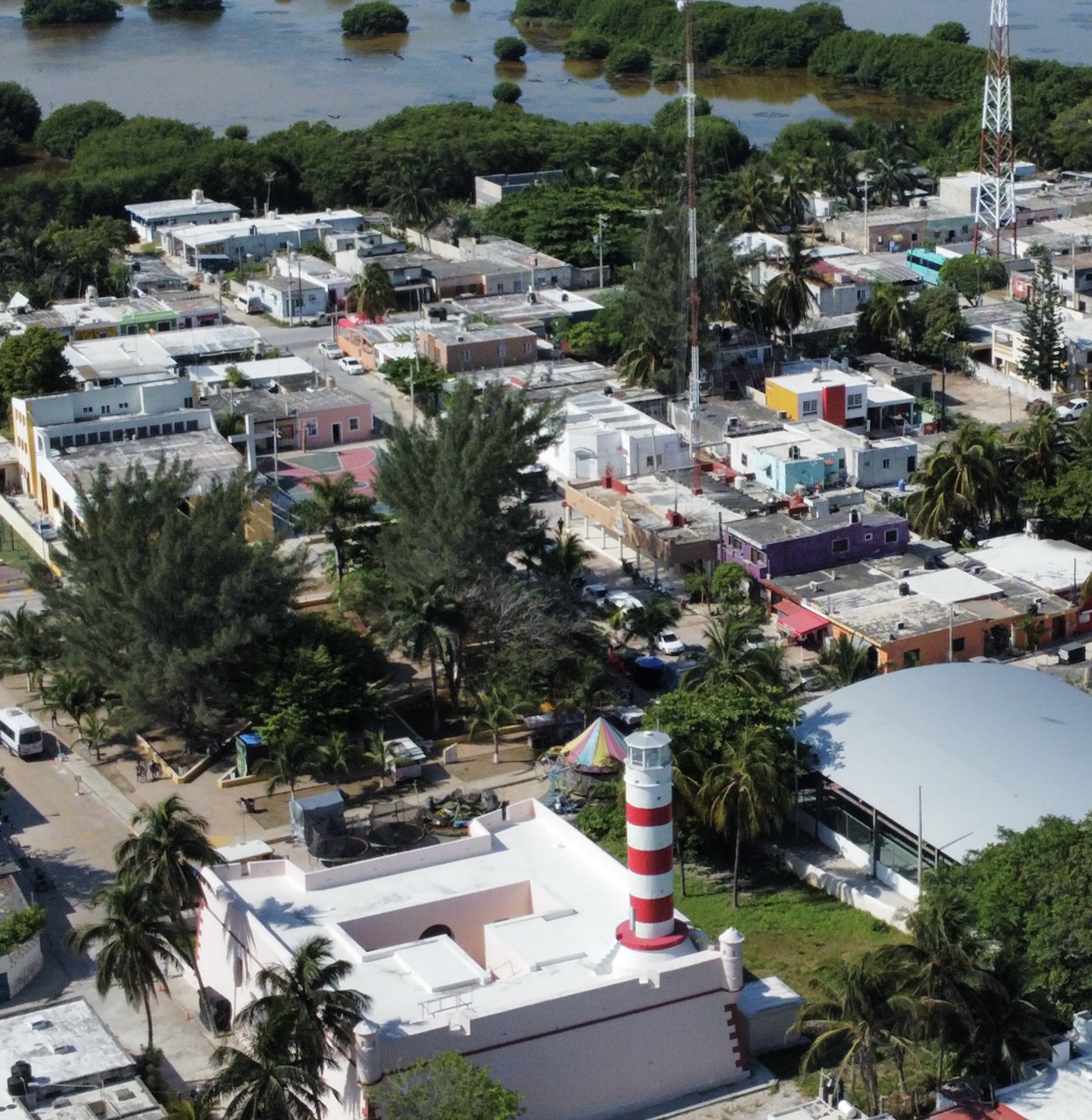
Benito Perez Valdelomar, who influenced the authorization of Sisal as a port, took measures to protect this entrance. A small fortification was built as a lookout and defensive post. The site still stands in Sisal and is now associated with the lighthouse.
From port to coastal memory
Sisal's commercial importance declined as Progreso concentrated more of the state's maritime traffic. Still, Sisal kept a visible port memory in its lighthouse, the old customs area, stories of travelers arriving by sea and the daily relationship of local people with the sea, fishing and the wetland.