Sisal is located on the northern coast of the peninsula and has one of the most attractive beaches in the area, with a sea that often appears turquoise-green. The water is warm and the tropical climate keeps the coast pleasant for much of the year.
Mornings are often calm. As the day advances and the breeze increases, the waves usually become more active. The same beach can feel different depending on the time of day.
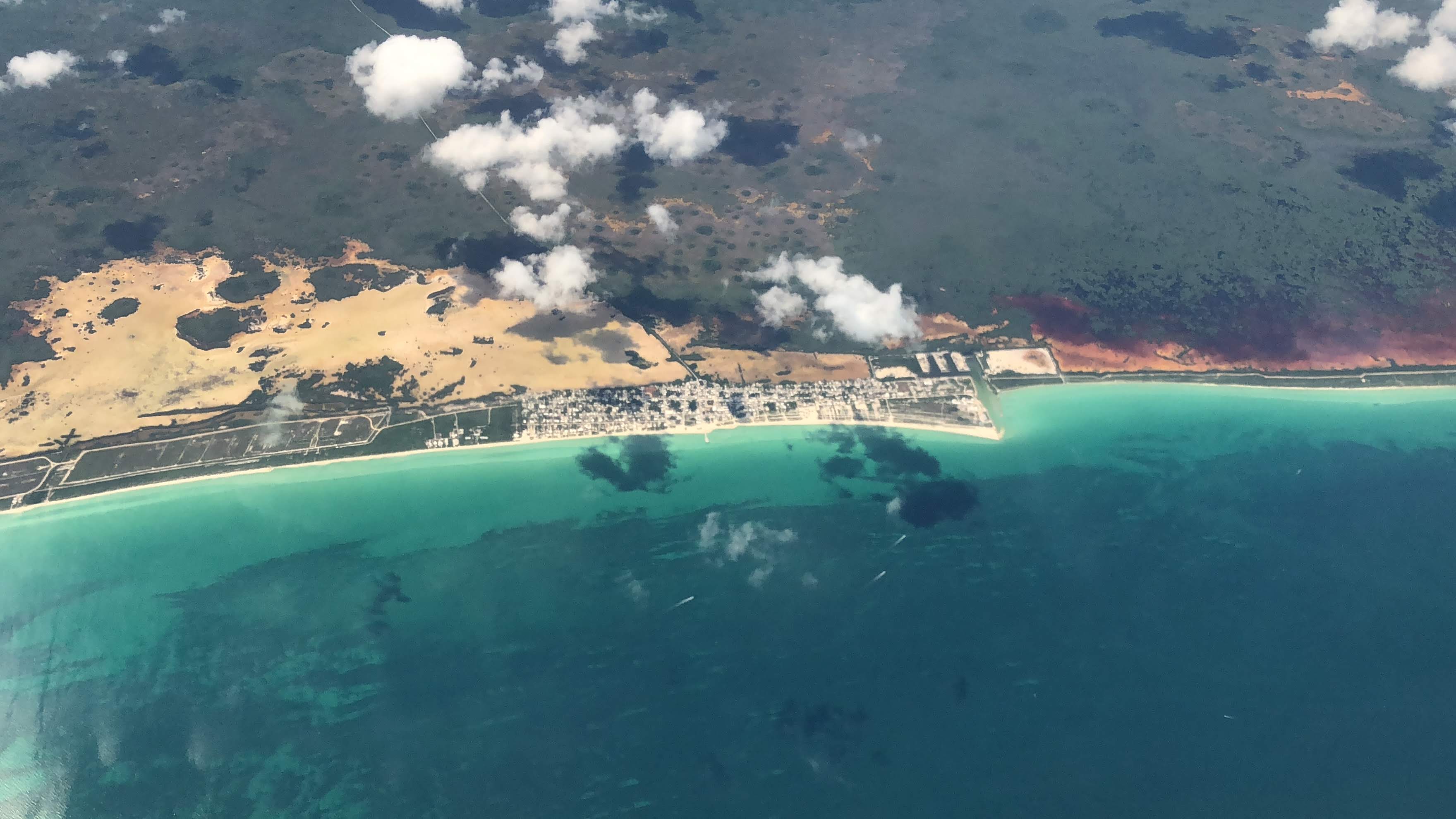
Beach, dune and wetlands
Part of Sisal's charm is that it is not only a beach. Behind the sand strip there are low areas, wetlands, mangroves and bodies of water where the influence of the sea meets freshwater moving through the peninsula's underground system.
The coastal dune works as a natural barrier. It helps reduce wind, waves and storm surge effects. For that reason it is important to avoid driving or walking over fragile vegetation that holds the dune in place.
Cold fronts
During winter, cold fronts locally known as nortes reach the peninsula. They can bring strong winds, rain and rougher sea conditions. The turquoise color of the water may become less visible because of clouds and suspended sand.
Cold fronts do not necessarily make the sea less beautiful. Most visitors naturally prefer sunny days, but a norte reveals another side of the coast: cooler air, changing skies, stronger waves and a wider sense of movement. On those days the best experience may be less about swimming and more about walking, watching the horizon and seeing another natural face of Sisal.
Tropical storms
The other important seasonal factor is tropical weather. Most systems do not become severe in the area, but rain and wind can still affect the coast. When forecasts show higher risk, it is wise to follow official safety notices.
Best moments of the day
For a quiet visit, moderate wind usually makes the experience better. Early walks and sunsets reveal the landscape with softer light, birds moving between the coast and wetlands, and a more comfortable temperature.
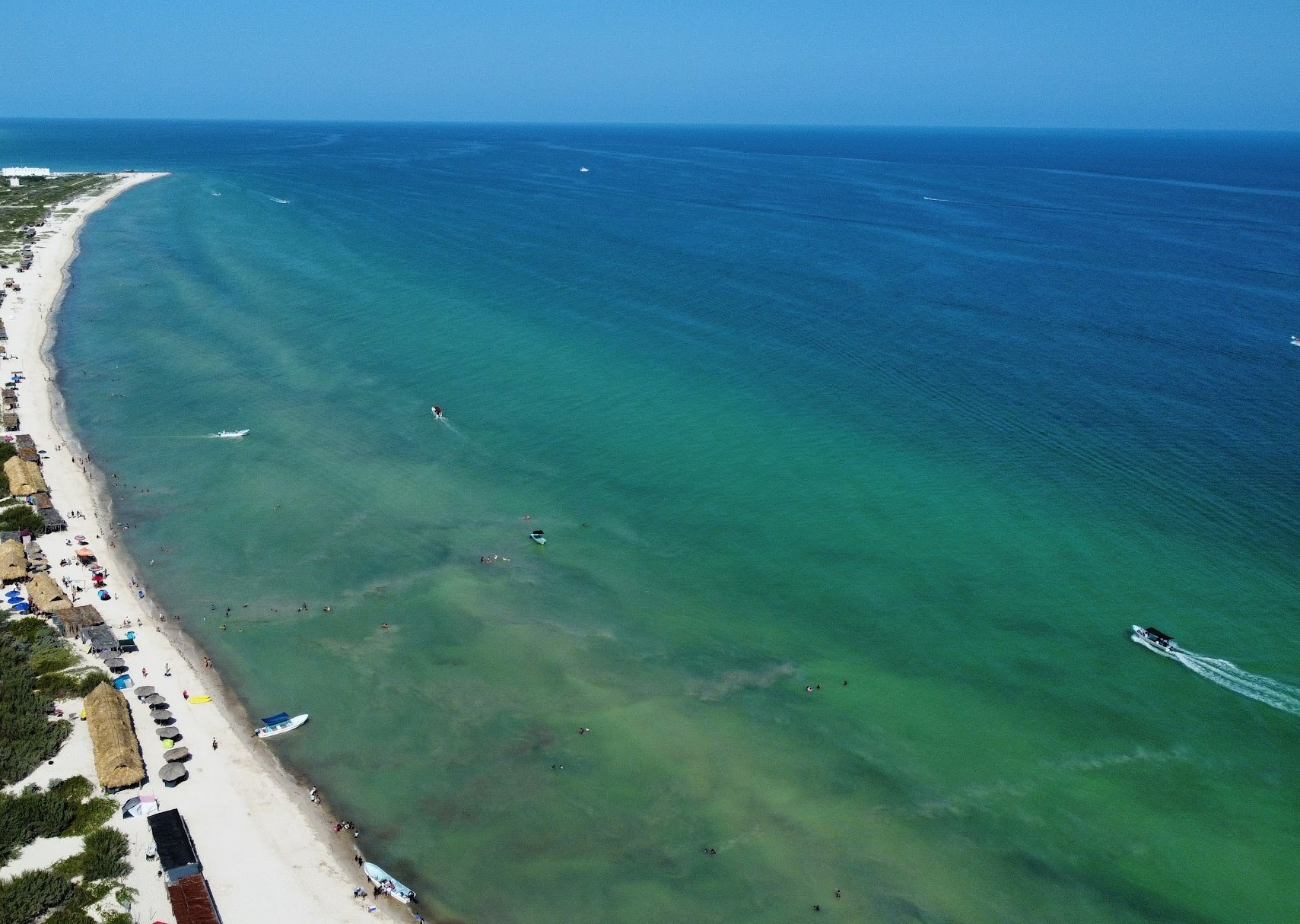
Morning
Best for calmer swimming, less heat and seeing the sea before the breeze increases.
Afternoon
More breeze, more movement in the water and a better mood for walking or resting.
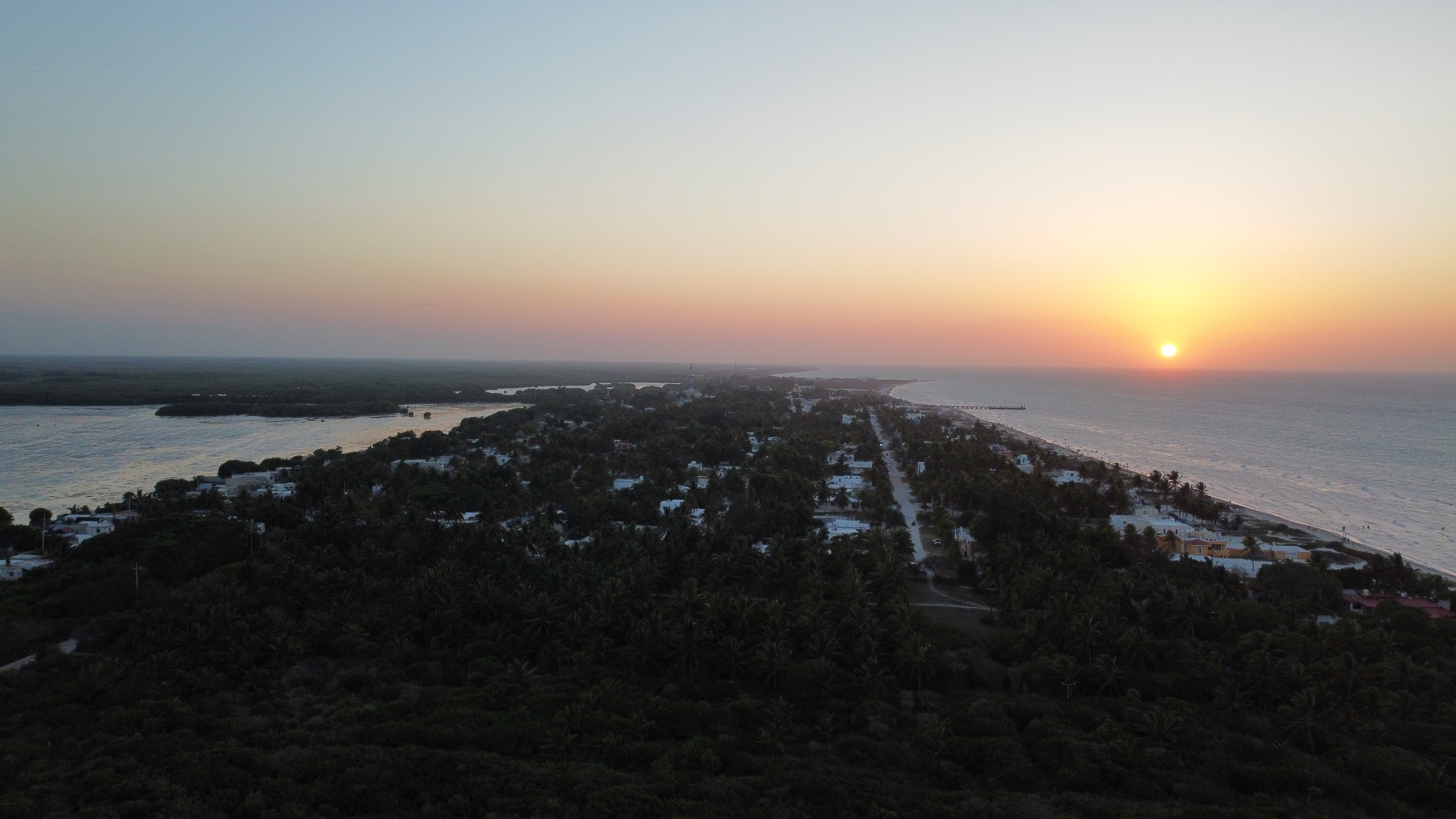
Sunset
Softer light for photos, cooler temperatures and more chances to observe birds along the coast.